On a Tuesday in late October, Monique O'Conner, open space planner for the city's Parks & Recreation Department, walked a reporter from the Santa Barbara Independent across all 17 acres of Franceschi Park. They started at a spot she called one of the park's "hidden secrets." It was a giant sandstone bust of Dr. Francesco Franceschi, jutting from the hillside with its nose toward the horizon, a short walk from the parking lot.
That bust is easier to find now. The city opened more than 1,500 feet of new trails at Franceschi in October 2026, connecting the parking lot, the bust, the upper meadow, the lower park and the older paths. The trails are only half of what's happening on the hillside, though. The other half is the bare, freshly seeded ground along the new paths, part of a planting program that runs through February.
A Park Best Known for Its Railing
The overlook beside the parking lot, with its long view of the coastline, is the part of Franceschi Park everyone knows. In the Independent's account, many locals may not know how far the park extends beyond it. Most of the paths winding through it were informal "goat trails" until crews rebuilt them into proper walking paths.
The change that matters most to neighbors is the link between the top of the park and the bottom. Hand-built trails now connect upper Franceschi to the lower park, so you can walk between them without stepping onto Franceschi Road. Until now, those two halves worked like separate destinations joined by a curving residential road. Now they make one continuous walk.
The city built the new trails with compacted tread and drainage features meant to prevent erosion and standing water. Unsafe or redundant paths were closed and covered with natural materials so the hillside can take them back. O'Conner told the Independent the trails held up well through the recent rains.
The Route, Top to Bottom
Put the Independent's walkthrough and the city's project notes together and the new system reads like this, starting from the lot:
- Restrooms to the bust. A new trail starts near the restrooms on the west side of the parking lot and leads to the sandstone bust. Pacific Horticulture identifies the carving as the "Fenzi Memorial," carved by art student Herbert Bengen and set on a large boulder by Alden Freeman.
- Into the upper meadow. The meadow holds one of three new benches made from reclaimed wood. The city's August announcement describes the route here as passing through eucalyptus, towering cacti and oaks, with views across Santa Barbara and Goleta to the ocean.
- Down through the cactus. The trails linking upper and lower Franceschi run under tunnels of tall cacti. They were laid out to avoid the roots of nearby oaks and graded on purpose to drain.
- Past the house and its plants. On the lower half, new and repaired paths pass the historic Franceschi House and continue down the hillside toward the Riviera. Along the way are survivors of Franceschi's botanical collection, including exotic plants the Independent says grow nowhere else in the city. Pacific Horticulture lists palms, two notable avocado trees and a Greyia sutherlandii along the entry drive, probably planted by Will Beittel in 1963.
Those plants explain why this hillside is unusual. Franceschi ran a botanical garden and nursery here from 1903 to 1913, and he called his redwood Craftsman home and garden Montarioso. Freeman later remodeled the house in an Italianate style. The house has its own separate planning process. The paths around it are open now.
Crews also patched cracked and crumbling concrete on the older paved walkways along the lower route.
The Bare Ground Is the Second Half of the Project
The lower park was the main focus of the restoration. Here's what you'll pass on a walk through it this month:
| What you'll see | What it is |
|---|---|
| Open, cleared slopes with long views | Former stands of invasive tree spurge, cleared because it grew so tall and dense that it blocked the horizon |
| Blue-tinted soil | Hydroseeding, a fire-hose spray of native seed and fertilizer mixed with non-toxic dye that fades in one to two weeks |
| Tubes of natural material along slopes | Wattles, placed to hold soil and prevent erosion while the seed takes hold |
| Stumps of young eucalyptus in the meadow | Seedlings removed so native sage scrub can return; the mature trees were kept |
| Fresh mounds along the new trails | Gophers, which O'Conner expects to keep surfacing for about a year |
The seed mix uses native species that can be cut back with a weed trimmer for fire prevention. Container plants will follow to fill the newly opened areas. The city's habitat restoration plan for Franceschi runs from October 2026 to February 2027. It covers more than an acre, mostly understory, with about 800 native and site-appropriate plants: yarrow, deerweed, coastal prickly pear, coast live oak, lemonade berry, black elderberry and blue-eyed grass.
So the bare patches are on a schedule. Each walk between now and late winter should show more cover than the one before. The city also lists the park as habitat for the yellow warbler and as suitable ground for Cooper's hawks and sharp-shinned hawks.
Why the Less Visible Work Cost More
The figures show which half of the project took the most effort. The Independent reported that the trails cost $77,000 from the city's General Fund. Removing the invasive plants took four months of full-time work and cost $113,000, paid by a California State Coastal Conservancy grant through the city's Wildfire Resiliency Project. In other words, clearing the hillside cost about one and a half times as much as building the paths across it.
Most of that effort went into tree spurge, Euphorbia dendroides. The Riviera Association's spring 2026 newsletter named it and French broom as the two invasive species being removed throughout the park. Tree spurge doesn't stop at the park boundary. O'Conner told the Independent the city is sending mailers to help neighbors remove it from their own properties. "They're kind of pretty, but pretty crummy for habitat," she said. If you garden on the slopes below the park, that mailer is about the same plant the city just spent four months clearing above you.
This Saturday, and Through February
The Riviera Association has scheduled a member volunteer cleanup and planting day at Franceschi Park for this Saturday, November 14, 2026. Its Happenings page lists the hours as 8:30 to 11:30 a.m. and links to registration. Parks & Recreation will provide staff, tools and instructions, and the Association will bring coffee, water and treats. Volunteers are asked to bring water bottles, sun protection, protective clothing, and pruners and gloves if they have them.
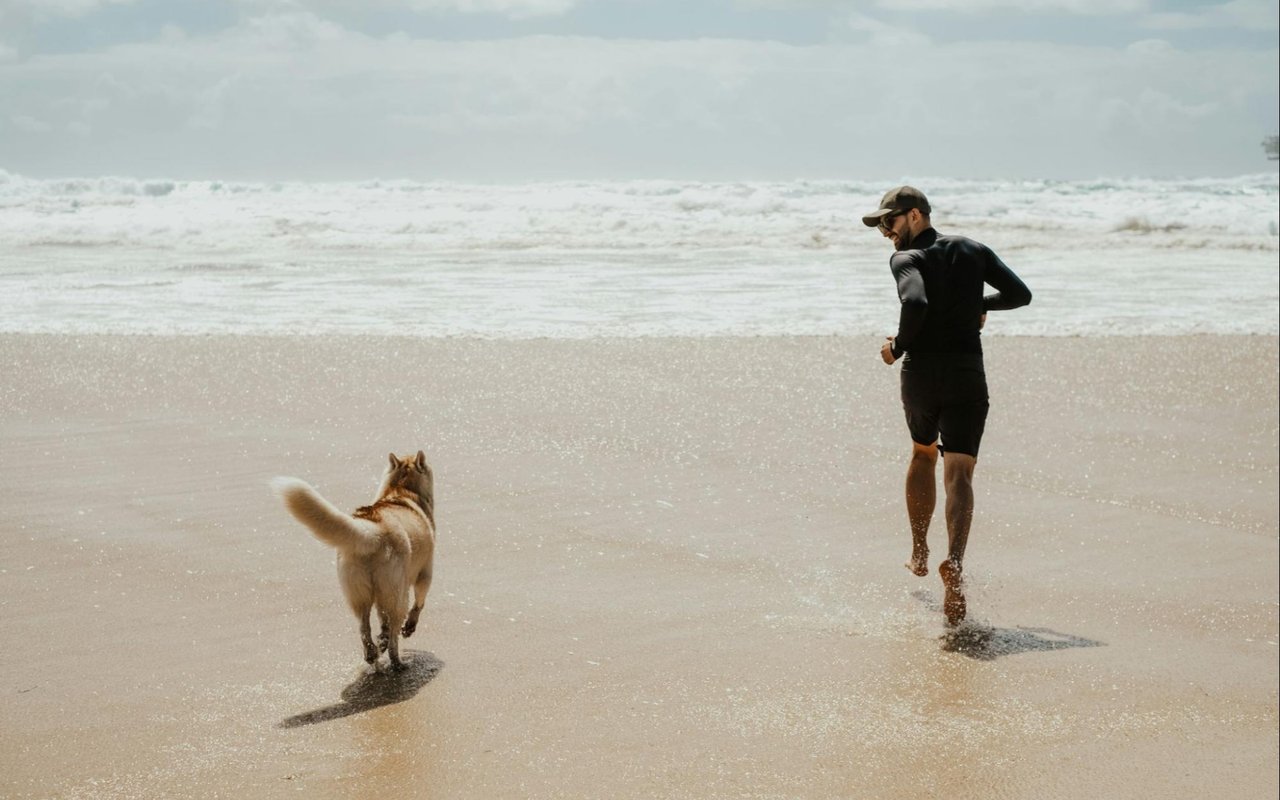
If you'd rather just walk, the city's park page lists Franceschi at 1501 Franceschi Road, with free on-site parking and leashed dogs allowed. The lot is locked every night, and a car left after closing stays inside until morning. Under the city's park use rules, Franceschi is one of three city parks that open at 8 a.m. instead of sunrise. With November sunsets coming early, the locked lot matters most for anyone heading down to the lower park late in the afternoon.
The plantings will keep going in through February. If you'd like to talk about the neighborhood around Franceschi Park, or anywhere else on the Riviera, Chris Palme is always glad to hear from you. Let's Connect.